

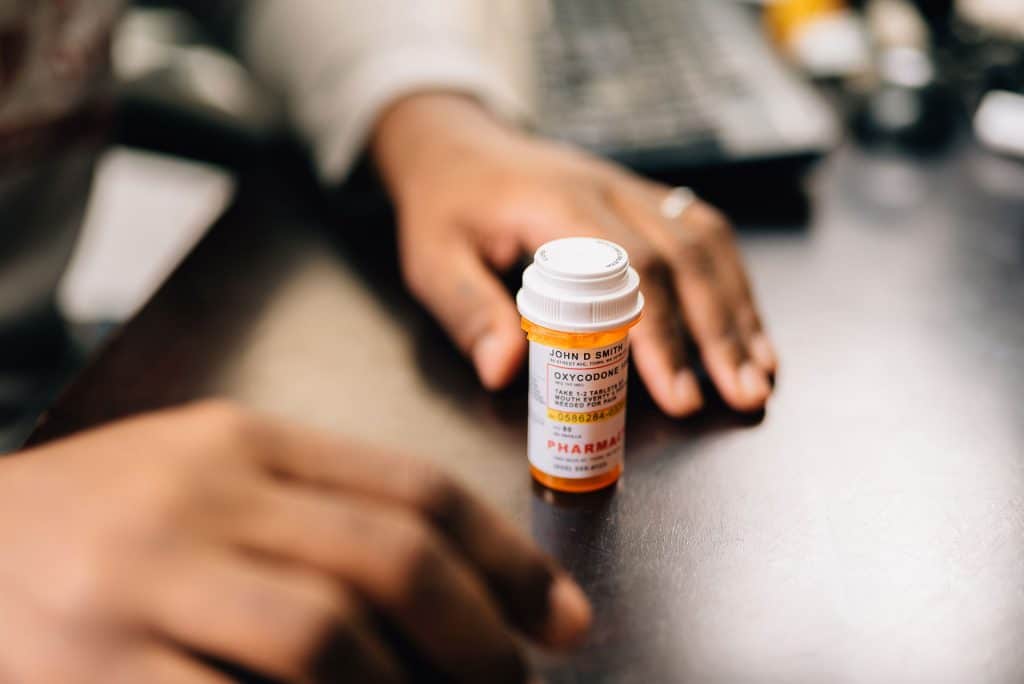
Something’s different, but you can’t quite name it. Maybe it’s you noticing changes in yourself, or maybe you’re watching someone you love slip away. We see it every day – parents, coworkers, neighbors caught in opioid addiction while everyone pretends not to notice.
You’re looking for answers because pretending doesn’t work. This checklist helps you identify the real signs of opioid addiction so you can stop wondering and start getting help. No judgment, no shame – just clear information about what opioid dependency actually looks like.
Ready to talk to someone who understands? Call MAT’S Clinic at (225) 468-6287 for a free consultation. Same-day appointments available Monday through Friday.
How to Tell If Someone Is Addicted to Opioids: Key Signs
Opioid addiction doesn’t look like what you see on TV. Most people struggling with opioid dependency hold down jobs, take care of their kids, and manage to function – until they can’t. The signs show up gradually, then all at once.
Your brain adapts to opioids over time. What started as pain management or occasional use becomes the only way your brain knows how to feel normal. This isn’t weakness – it’s brain chemistry doing exactly what brains do when exposed to opioids repeatedly.
Physical Signs of Opioid Addiction
Your body tells the truth even when words don’t. Look for these physical symptoms:
Changes in appearance happen slowly enough that you might not notice day to day, but old photos don’t lie. Weight loss without trying. Bloodshot eyes or pupils that stay tiny even in dim light. Skin problems that weren’t there before. Poor hygiene that’s unusual for this person.
Sleep patterns flip completely. Nodding off at weird times such as during conversations, watching TV, even standing up. Then wide awake at 3 AM, restless and anxious. The body’s natural sleep-wake cycle gets wrecked by opioids.
Constant flu-like symptoms become the new normal. Runny nose, watery eyes, sweating even when it’s cold. These withdrawal symptoms hit every time the drug wears off, creating a cycle that’s hard to break without help.
Physical coordination changes. Slurred speech that wasn’t there before. Clumsy movements when they used to be coordinated. Walking like they’re not quite sure where their feet are.
Bathroom habits shift dramatically. Severe constipation is one of the most reliable physical signs of regular opioid use, though people rarely talk about it.
Behavioral Signs Someone Might Be Struggling
Watch how someone’s daily life starts changing.
Money problems appear out of nowhere. Bills that were always paid on time suddenly aren’t. Borrowing money with vague explanations. Valuables disappearing from the house. Opioid addiction can cost hundreds of dollars each month – that money has to come from somewhere.
Work and school performance tanks. Calling in sick more often. Missing important meetings or events. Grades dropping if they’re in school. For someone who always showed up, these changes signal something serious.
Relationships get strained and distant. Pulling away from family and friends who’ve been important for years. Getting defensive when anyone asks questions. Spending time with new people nobody’s met before.
Doctor shopping becomes a pattern. Multiple prescriptions from different doctors. “Losing” prescriptions and needing replacements. Driving to pharmacies across town instead of using the convenient one down the street. This prescription-seeking behavior is a common sign of developing opioid use disorder.
Lying about small things becomes automatic. Where they’ve been, who they were with, why they need money. The lies don’t even make sense sometimes, but the truth feels more dangerous.
Psychological Warning Signs to Watch For
The emotional stuff hits differently for everyone, but patterns emerge.
Mood swings get extreme. Irritable and agitated one minute, euphoric the next, then depressed and withdrawn an hour later. These rapid changes in mood track with drug use and withdrawal cycles.
Anxiety spikes out of nowhere. Panic about running out of medication or pills. Constant worry about when they’ll feel normal again. This anxiety drives the compulsive behavior that characterizes addiction.
Depression settles in like fog. Loss of interest in things that used to matter – hobbies, family activities, work they once enjoyed. Everything feels flat and gray except for the brief relief opioids provide.
Cognitive changes become noticeable. Trouble focusing or remembering things. Confusion about conversations that just happened. Decision-making gets impaired, sometimes in ways that seem completely unlike this person.
The Difference Between Dependence and Addiction
Here’s something people get confused about: physical dependence and addiction aren’t the same thing.
Physical dependence means your body adapted to having opioids in your system. Stop taking them and you’ll experience withdrawal. This happens to anyone who takes opioids regularly, even when prescribed appropriately.
Addiction is when you keep using despite serious consequences. Missing work, damaging relationships, spending money you don’t have, taking risks you know are dangerous. The compulsive need to use overrides everything else, including the things you care about most. The Substance Abuse and Mental Health Services Administration defines opioid use disorder as a pattern of use causing significant problems in daily life.
Someone can be physically dependent on prescribed pain medication without being addicted. But addiction typically includes physical dependence, which is why stopping opioids without medical support is so difficult.
Early Warning Signs of Opioid Use
Catching opioid problems early makes recovery easier. Watch for these initial red flags:
- Taking more medication than prescribed
- Running out of prescriptions early
- Feeling anxious or panicked about running low
- Seeking prescriptions from multiple doctors
- Buying pills from friends or coworkers
- Crushing or snorting pills meant to be swallowed
- Using someone else’s prescription “just this once”
- Thinking about opioids more than seems normal
These early patterns escalate quickly. What starts as “borrowing a few pills” turns into daily use faster than most people expect.
If You Recognize These Signs
Recognizing the problem is the hardest part, and you just did it. That took courage.
Opioid addiction changes brain chemistry in ways that make stopping alone nearly impossible. Medication-assisted treatment stabilizes your brain while you rebuild your life – it’s not trading one addiction for another.
Recovery doesn’t require hitting rock bottom. Call us Monday through Friday for same-day appointments and telehealth options that protect your privacy. Treatment costs $150/month, and we run prescriptions through your insurance.
Founded by Todd Bossier in memory of his son Matthew who died from opioid overdose in 2008, MAT’S Clinic exists because we believe every Louisiana family deserves recovery with dignity.
Medical Disclaimer: This information is for educational purposes only and does not replace professional medical advice. Individual symptoms and situations may vary. Always consult with a qualified healthcare provider about your specific health concerns. If you’re experiencing a medical emergency, call 911 immediately.
At MAT’S Clinic, we provide compassionate, evidence-based addiction treatment to families throughout Louisiana. Founded by Todd Bossier in memory of his son Matthew, we believe in your ability to recover – and we’re here to help make it possible.